Smart Locks Are Fine. The Door They Go On Is the Problem.
 A1 Super Locksmith Services
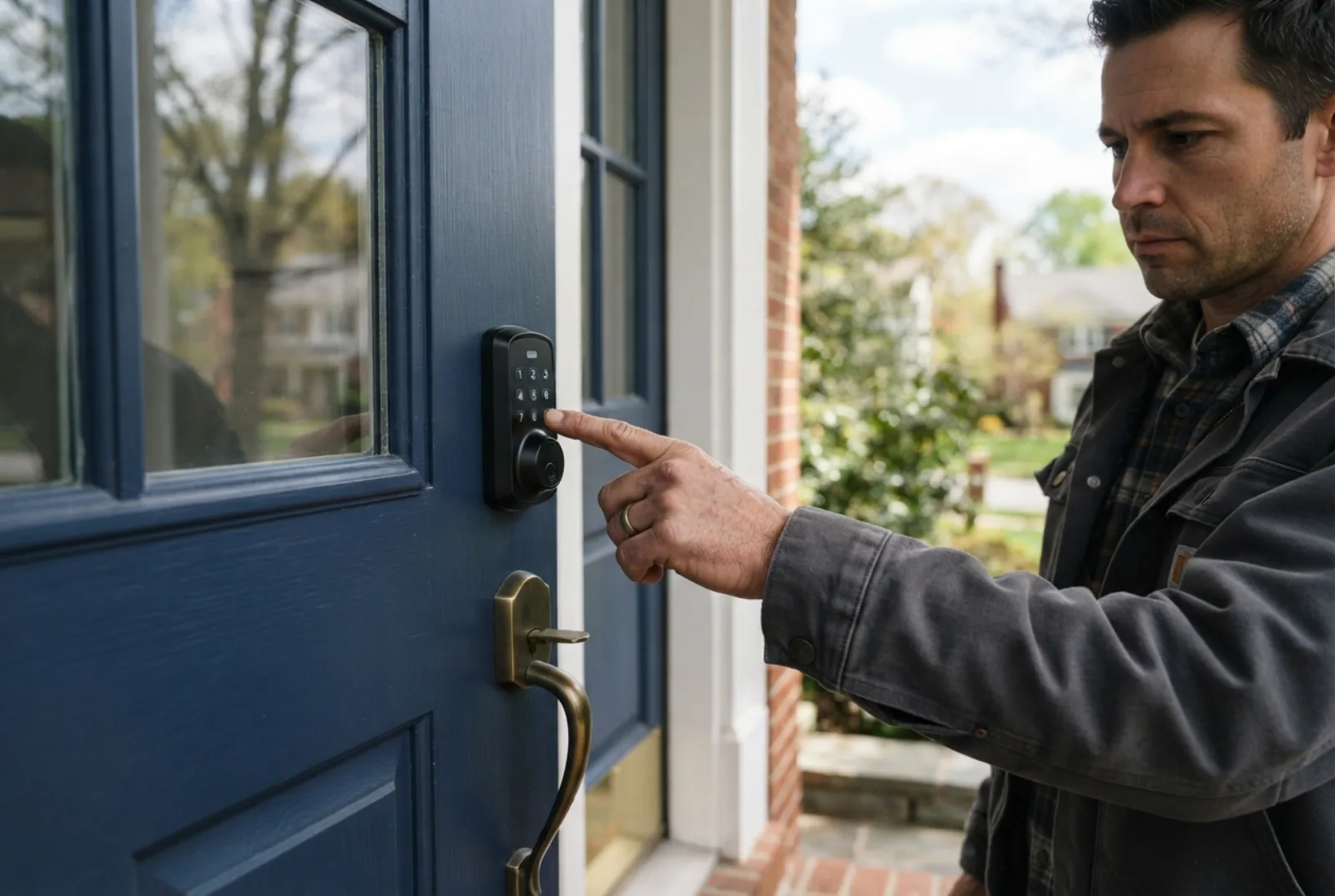
Roughly a third of the smart locks we are asked to fit are bought before anyone has looked at the door. Then the box arrives, the door does not cooperate, and the lock gets blamed.
The lock is usually fine. Smart lock installation in Rockville goes wrong for the same handful of reasons it goes wrong anywhere, and every one of them is visible before you buy, if you know where to look.
Check the door before you buy the lock
Does the current deadbolt work perfectly?
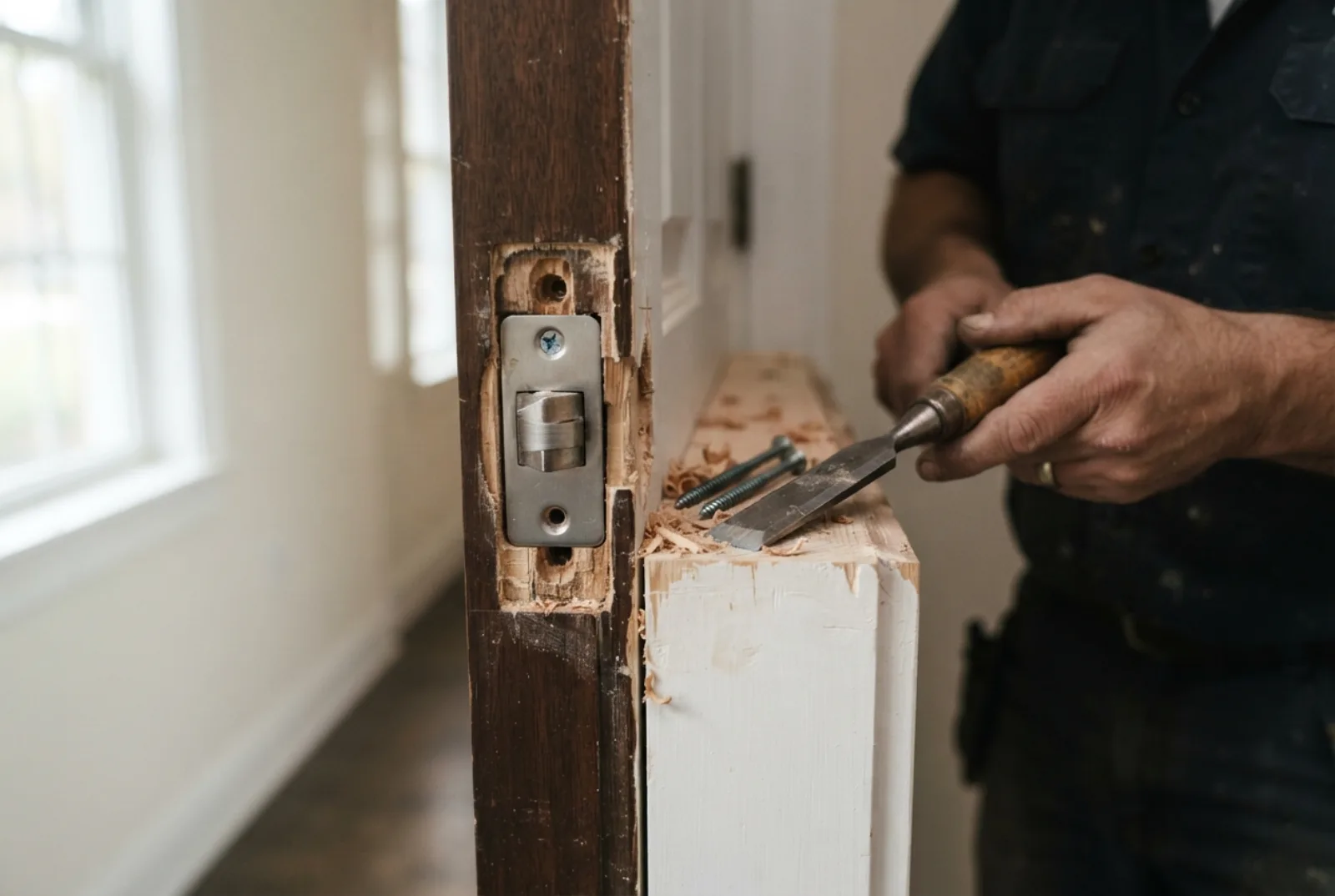
Turn the key and watch the bolt. It should throw fully and smoothly with no lifting of the door, no shoulder, no jiggle. A smart lock is a small motor. Where your wrist can force a misaligned bolt, a motor cannot — it stalls, reports a jam, and eats batteries trying. Nearly every “the smart lock keeps failing” call we take is a strike plate two millimetres out of line, which was already a problem before the smart lock arrived and was being solved by hand without anyone noticing.
Backset and door thickness
The backset is the distance from the door edge to the centre of the bolt hole — almost always 2⅜” or 2¾”. Most smart locks handle both, but not all do. Door thickness matters too: standard is 1⅜” to 1¾”, and the older doors around Lincoln Park, the West End and Takoma Park are frequently neither.
What the door is made of, and where it faces
A metal-skinned door with a foam core takes fixings differently from solid wood. And a west-facing door taking full afternoon sun through a Maryland August is a hot place for a battery compartment — it will not destroy the lock, but it will shorten battery life more than the box suggests.
Wi-Fi at the door, not in the kitchen
Stand at your front door and look at your phone. That is the signal the lock gets. A lock that needs Wi-Fi and sits at the far end of a long hallway from the router is a lock that will drop off the app and be blamed for it.
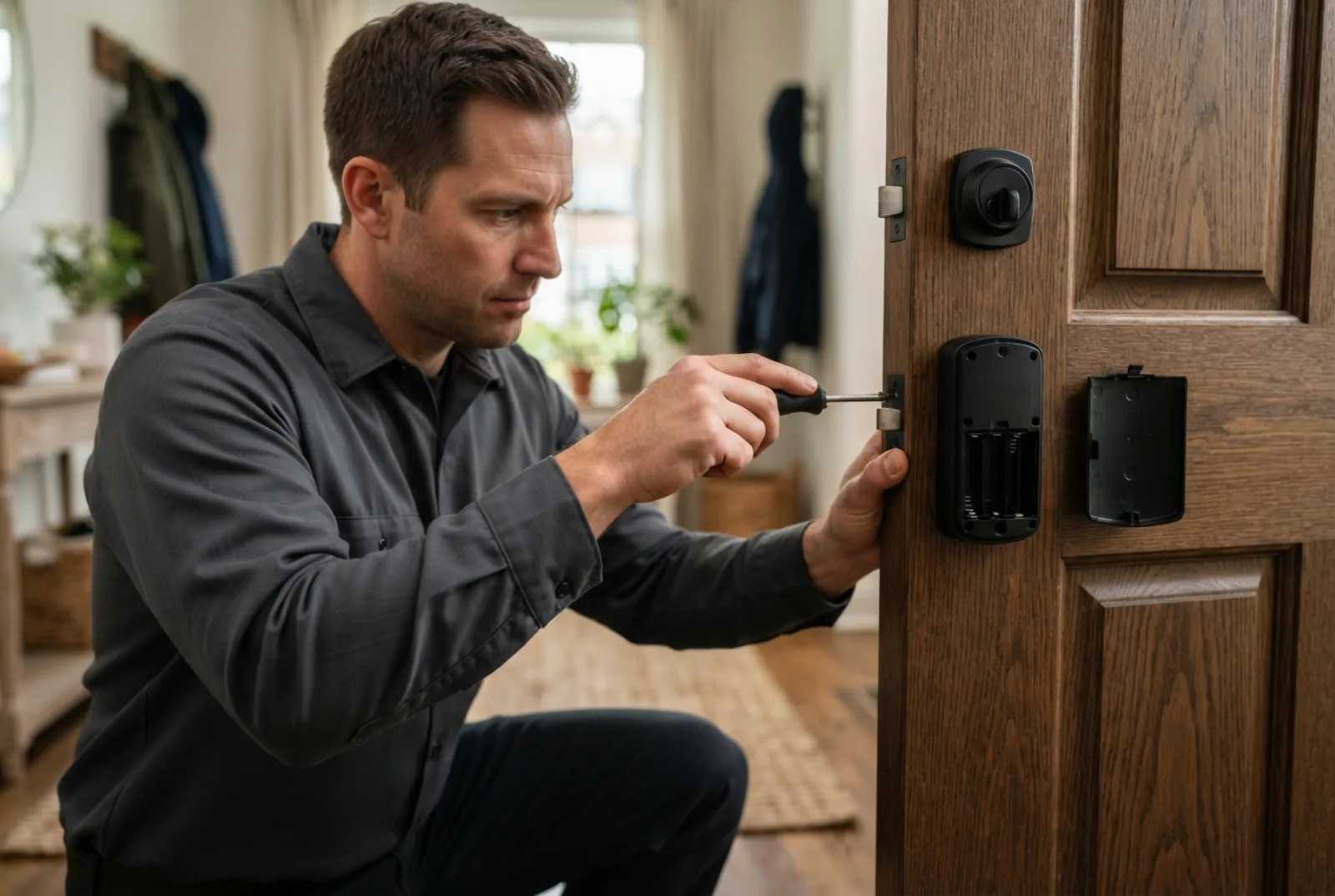
What a smart lock is genuinely good at
- Ending the shared-key problem. A cleaner, a dog walker, a contractor — each gets their own code, and the code is deleted afterwards. No key was ever cut, so no key can be copied.
- Knowing when the door was opened. Useful with teenagers, tenants and short-term rentals.
- Auto-locking. The most underrated feature. The most common way a house is left insecure is a door pulled shut but never locked.
- Never being locked out again — provided you keep a physical key somewhere sensible, which people stop doing after about six weeks.
Where they fall down
- Batteries. They always warn you. The warnings arrive in an app nobody has opened for a month.
- The physical lock is still the physical lock. A keypad on a Grade 3 deadbolt in a soft frame is a Grade 3 deadbolt in a soft frame with a keypad on it. If the door can be kicked, an app does not change that.
- Keyless models remove your fallback. Some have no keyway at all. Read that on the box, not afterwards.
- The account outlives the interest. Firmware updates, an account, a phone change, and a company that may or may not still support the model in six years.
Smart lock installation in Rockville: what a fitting visit involves
If the door is right, this is not a long job — but the parts people skip are the parts that matter:
- Fix the alignment first. Strike plate, hinges, any sag. Do this before the smart lock goes on, not after it starts jamming.
- Longer screws into the frame. Three-inch screws through the strike into the stud is the single cheapest security upgrade on any door, smart lock or not.
- Fit and calibrate. Most locks learn the bolt travel on setup. Calibrating on a misaligned door teaches it the wrong thing.
- Set up the codes properly. A separate code per person, not one code for the household — otherwise you lose the whole point of it.
- Keep a keyed way in, and put the physical key somewhere that is not inside the house.
If you would rather have a keypad without the app, that is a perfectly good answer and often the better one — mechanical and electronic keypads do the shared-code job without an account. Our lock installation page covers both, and lock repair covers fixing the alignment that is usually the real culprit.
Whatever goes on the door, the deadbolt underneath should be a real one. The Consumer Product Safety Commission is a reasonable starting point for how residential hardware is graded and tested, and the grade is on the packaging if you look.
Smart Lock Installation in Rockville: The Short Version
Before smart lock installation in Rockville, check three things on the door: that the existing deadbolt throws smoothly without lifting the door, that the backset and thickness match the lock, and that there is real Wi-Fi signal at the door itself. Fix any alignment problem first, since a motor cannot force a bolt the way your wrist can. Smart locks are excellent at ending shared keys and at auto-locking, and they change nothing about how strong the door is.
Frequently Asked Questions
Q: Is a smart lock more secure than a normal deadbolt?
A: Not inherently. Security comes from the grade of the deadbolt, the strike, the frame and the screws holding it. A smart lock changes how the door is operated, which removes the risk of copied and lost keys — a real gain — but a weak door with a keypad is still a weak door.
Q: What happens in a power cut, or when the batteries die?
A: Smart locks run on batteries, so a power cut alone does nothing. Flat batteries are the real scenario: most models warn for weeks, most keep a keyway as a fallback, and many take an emergency jump from a 9V battery held to the contacts. If you buy a model with no keyway, you have chosen to rely on the batteries.
Q: Can I fit one myself?
A: Often, yes — many are designed for it, and if your existing deadbolt is well aligned it is a screwdriver job. Call somebody when the bolt already sticks, when the backset is unusual, when the door is metal or non-standard thickness, or when the strike needs moving. That is where self-installs turn into a lock that jams.
Q: Will it work with my existing keys?
A: Some models keep a keyway and can be keyed to match your other doors, so one key still opens everything. Others are keyless by design. If matching your existing key matters to you, check that before buying, because it narrows the options considerably.
If you have a lock in a box and a door you are unsure about, call 800-214-8901 and describe the door.