Rekey or Replace? The Question Every New Homeowner Gets Wrong
 A1 Super Locksmith Services
Somebody has a key you would rather they did not. A tenant moved out, a contractor never gave one back, a relationship ended, or you have just bought a house and have no idea how many copies are floating around Montgomery County.
The instinct is to rip the locks off and start again. Often that is the wrong call. Whether to rekey or replace your locks depends on the state of the hardware on your door, not on how worried you are — and the cheaper answer is right more often than people expect.
What rekeying actually is
Inside a lock cylinder there is a stack of small spring-loaded pins. The cut of your key pushes each pin to exactly the right height, a gap lines up, and the cylinder turns. That is the entire secret.
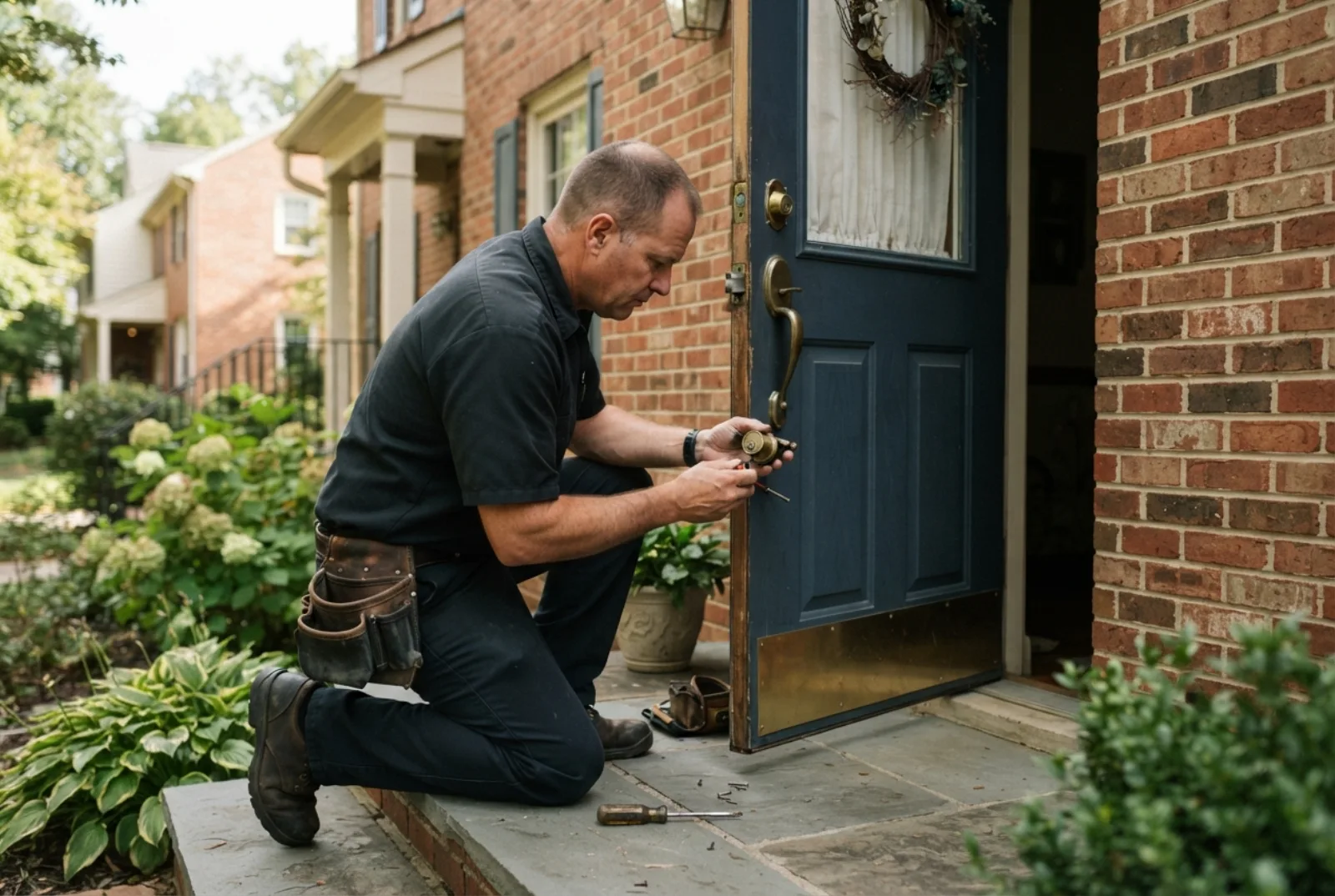
Rekeying means taking the cylinder apart and swapping those pins for a different set. Same lock, same handle, same finish, same screws in the same holes — new key, and every old key is now a piece of scrap metal. Nothing about the door changes.
It is quick. It is the same operation whether the key is missing, copied or merely unaccounted for. And on a healthy lock it is materially cheaper than replacement.
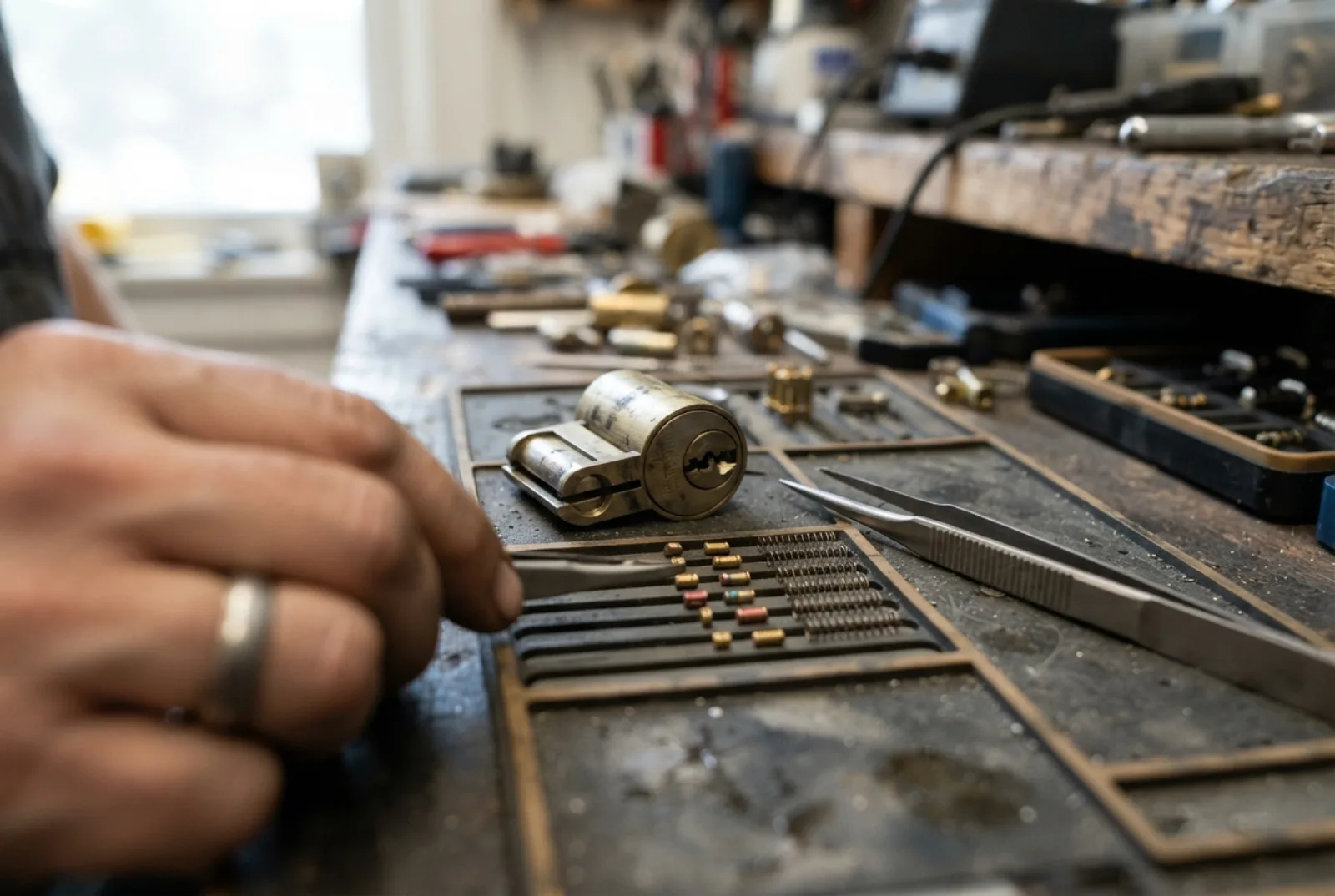
How to tell whether to rekey or replace your locks
Stand at the door and answer three questions honestly.
1. Does the lock work properly right now?
Not “does it work if I lift the door”. Not “does it work if I jiggle it”. Does the key go in smoothly, turn without force, and the bolt throw fully without you shouldering the door? If yes, the lock is fine and only the key is the problem. Rekey it.
2. How old is it, and how has it lived?
A deadbolt on a shaded north-facing door in Twinbrook that has been there since the seventies has had a lot of Maryland winters. Corroded internals do not get better after rekeying. If the key already needs a wiggle, you are rekeying a lock that is on its way out.
3. Do you actually want what you have?
This is the one people skip. If the front door has a builder-grade cylinder from a King Farm build-out and you have always half-wanted a proper Grade 1 deadbolt or a keypad, then the moment you are already paying someone to work on that door is the sensible moment to upgrade. Rekeying a lock you dislike just means paying twice.
What each one costs
These are published 2026 national ranges, not a quote for your door. We price on the phone once we know how many doors and what is on them. But for a sense of scale, from the 2026 national locksmith pricing survey:
- Rekey, per lock: $15–$35
- Install a new deadbolt: $40–$200
- Install a double cylinder deadbolt: $150–$250
- Service call fee: $50–$130
- After-hours hourly rate: $100–$250
Two things fall out of that list. First, the per-lock cost of rekeying is small enough that the trip is most of the bill — so doing all your doors in one visit is far better value than doing them one at a time. Second, an emergency call costs real money. If nothing is actually locking you out tonight, book for a weekday morning and keep the difference.
When replacement is genuinely the right answer
- The lock is damaged or worn. Sticking, grinding, a key that needs persuading, a bolt that does not fully throw. Rekeying a failing lock buys you a new key and the same failure.
- Somebody forced it. After an attempted break-in, the cylinder and often the strike and frame have taken a hit you cannot see from the outside.
- You want one key for everything. Front, back, side, garage — if they are different brands, matching them usually means replacing some of them.
- You are upgrading. Keypad, smart lock, high-security cylinder. Different hardware, so it is a replacement by definition.
The one case where you should do both
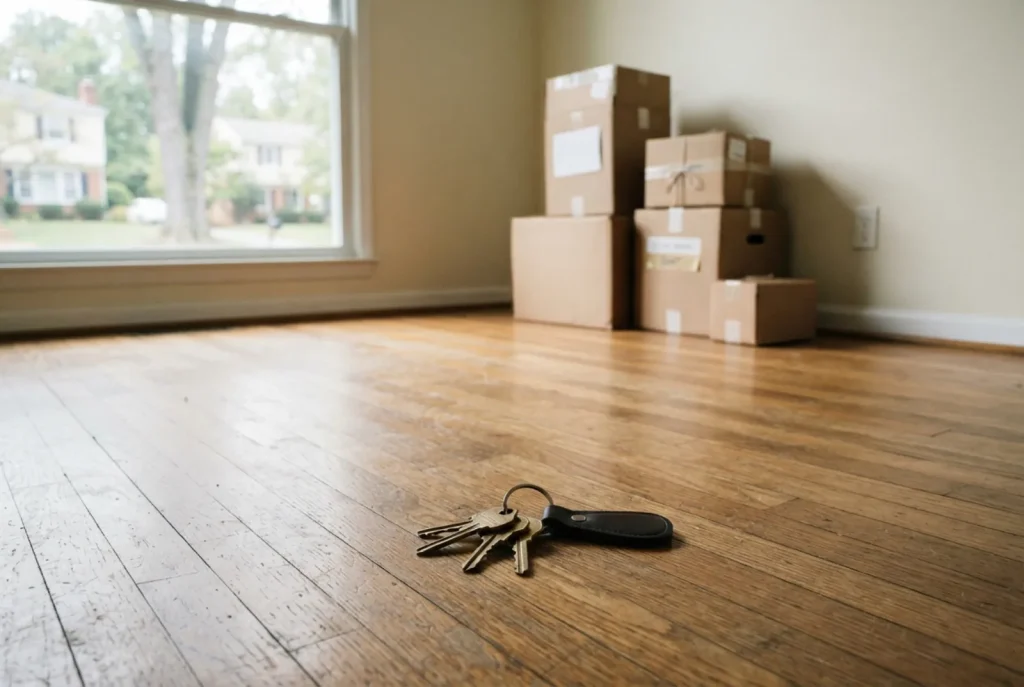
New house. You have just closed, you have a ring of keys from the agent, and you have no idea who else is holding one. Rekey the whole house so every old key dies at once — and replace only the doors where the hardware is already tired or where you want something better. That is normally a lot cheaper than a full replacement across the property, and it ends up in the same place.
If that is where you are, our lock change service page covers what a visit looks like, and the lock repair page covers the case where a single door is the problem.
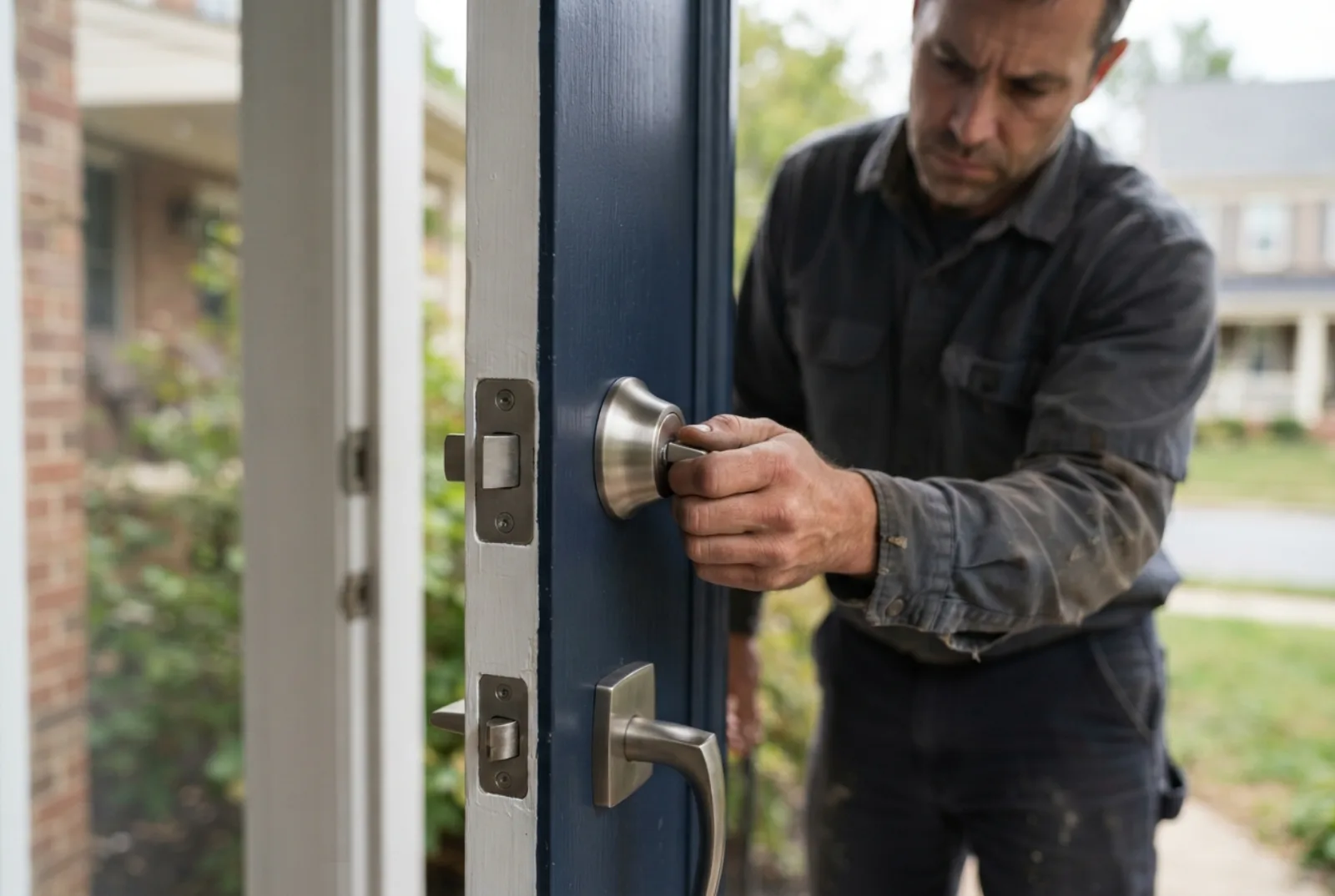
Rekey or Replace Your Locks: The Short Version
Decide whether to rekey or replace your locks by the condition of the hardware, not by how nervous the situation makes you. Working, decent locks get rekeyed — same hardware, new key, every old key dead. Damaged, worn or forced locks get replaced, as does anything you were planning to upgrade anyway. Doing every door in one visit is where the money is saved, because the trip costs more than the pins.
Frequently Asked Questions
Q: Is rekeying as secure as fitting a brand new lock?
A: On a lock in good condition, yes. The pins that decide which key works are entirely replaced, so old keys stop working completely. What rekeying cannot do is make a weak or worn lock strong — if the hardware is the weak point, changing the pins does not change that.
Q: Can all my doors be made to take one key?
A: Usually, and it is one of the better reasons to call. If the locks are the same brand and keyway it is straightforward. If they are a mix of brands, some of them will need replacing to match, which we would tell you before starting.
Q: I just moved in. Do I really need to do anything?
A: Nobody can tell you how many copies exist of a key that has been in circulation for years — previous owners, cleaners, contractors, a neighbour with a spare. Rekeying the house closes that whole question in one visit, and it is the cheapest peace of mind in this article.
Q: Can I rekey a lock myself?
A: There are kits, and on a simple, healthy Kwikset-style cylinder a patient person can do it. Where it goes wrong is the reassembly — pins and springs are small, and one in the wrong slot means a lock that opens for nothing. If you are already unsure the lock is healthy, that is the point to stop.
If you want the whole house done in one visit, call 800-214-8901 and say how many doors and roughly how old the locks are.